
Cut Electricity Use.
Lowers cost.
Guaranteed.
No downside.
If your commercial electricity bill is $5000/month or more, you can cut your bill significantly. How much depends on your situation. Typically, clients see 8-12% savings in kWh (usage) which generally means the same in cost savings. This doesn’t include, however, any of the additional “soft” savings.
- Save 8-12% or more on your electric bill.
- 5% minimum guaranteed savings.
- ROI is typically one to two years.
- Extends life of your equipment (additional savings).
- Helps address peak usage (additional savings).
- Installed in 10,000+ businesses.
- It works 24/7/365. No maintenance needed.
- Supports sustainability plans.
- CAPEX or OPEX/lease financing available.
- 10-year warranty. Life expectancy 10+ years.
Proven. Validated.
Passive. Non-intrusive.
Economical. Green.
Certified.
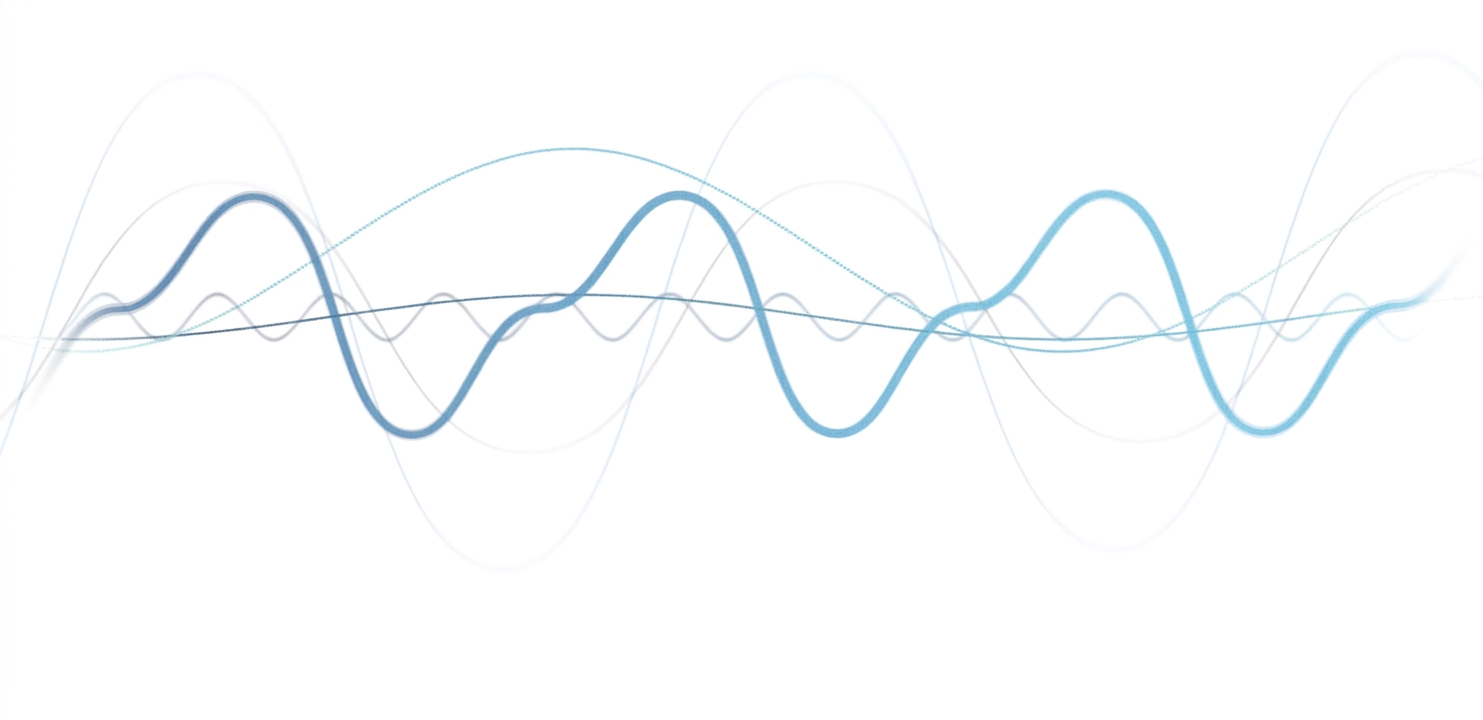
Harmonics are unusable electricity.
They generate destructive heat and noise.
These harmonic frequencies add stress and wear on every device on your electrical system, and are a by-product when non-linear loads are connected to an electric system.
All electrical systems have them and they don’t go away over time — they only get worse.
These cause a myriad of problems such as heat buildup in computers and devices, or wear and tear on HVAC systems causing more frequent breakdowns, higher maintenance costs and shortened lifespans for your equipment.
The Solution: Mitigate the harmonics.
Once installed by a qualified electrician (which is included in the proposal), the device will dampen and mitigate these harmful waves at their source. The solution is compact, uses zero electricity, and is tested, proven, and validated across hundreds of installations — with more than 10,000 installations.
You have a problem with harmonics if…
Harmonics waste electricity, increase maintenance costs, and shorten the lives of electronics. There’s no way around it. Every day, you depend on the same devices that are creating harmonics:
- Alarm systems
- Automatic Doors
- Cameras
- Computers
- Device Chargers
- Diagnostic Equipment
- Digital Displays
- Elevators
- Fans
- HVAC systems
- Imaging Devices
- LED lighting
- Microwaves
- Monitors
- PA systems
- Phone systems
- POS systems
- Power backups
- Printers
- Projectors
- Refrigerators
- Routers
- Scanners
- Security lights
- Sensors
- Servers
- Smart Devices
- Solar Panels
- Speakers
- Televisions
- And Much More
Harmonics won’t just disappear.
Harmonics happen when non-linear loads are connected to your electrical system. Any device that converts AC power to DC power is non-linear and creates harmonics. Today, between 35% and 60% of electricity is consumed by non-linear loads (Source: U.S. Energy Information Administration).
And you may be surprised by how prevalent harmonics are — even though it makes perfect sense. Example: solar systems create significant harmonic distortion. After all, they depend on inverters.
What are the causes of harmonics?
There are three types of electrical loads common in both homes and businesses. See how they play a role in creating harmonics.
Resistive Loads
Resistive loads are linear loads, which draw a constant flow of current with little to no fluctuation (example: classic incandescent lightbulbs). These produce the lowest amount of harmonics because they draw power in a clean, sinusoidal pattern that closely matches the voltage supply.


Inductive Loads
Inductive loads are fixed-speed loads, such as industrial and manufacturing applications with drive motors and pumps. These will have a heavier load on startup but will taper to a fixed speed. Harmonics in this case will cause excessive heat causing wear and damage.
Non-Linear Loads
Non-linear loads are a large part of our lives at home and work. They also create the most harmonics. LED lighting, computer equipment and routers, HVAC systems and many more are non-linear loads. These devices and equipment run constantly, and while they manage their own energy consumption, they have a relentless draw that fluctuates with both intentional and unintentional use.

What’s the next step?
Simple, no-cost evaluation.
- Simple: Talk to us. Click here to set up a call.
- If you like what you hear, you’ll provide a bit more info.
- Have questions? No problem, let’s talk them through.
- With information in hand, we fully qualify and start the project analysis.
- Once complete, you’ll receive a detailed custom quote which includes details on what your system would look like, cost, ROI, and more.
How does it work?
At its core, the electrical filter cleans “dirty power” inside a facility so electrical systems run smoother, cooler, and more efficiently.
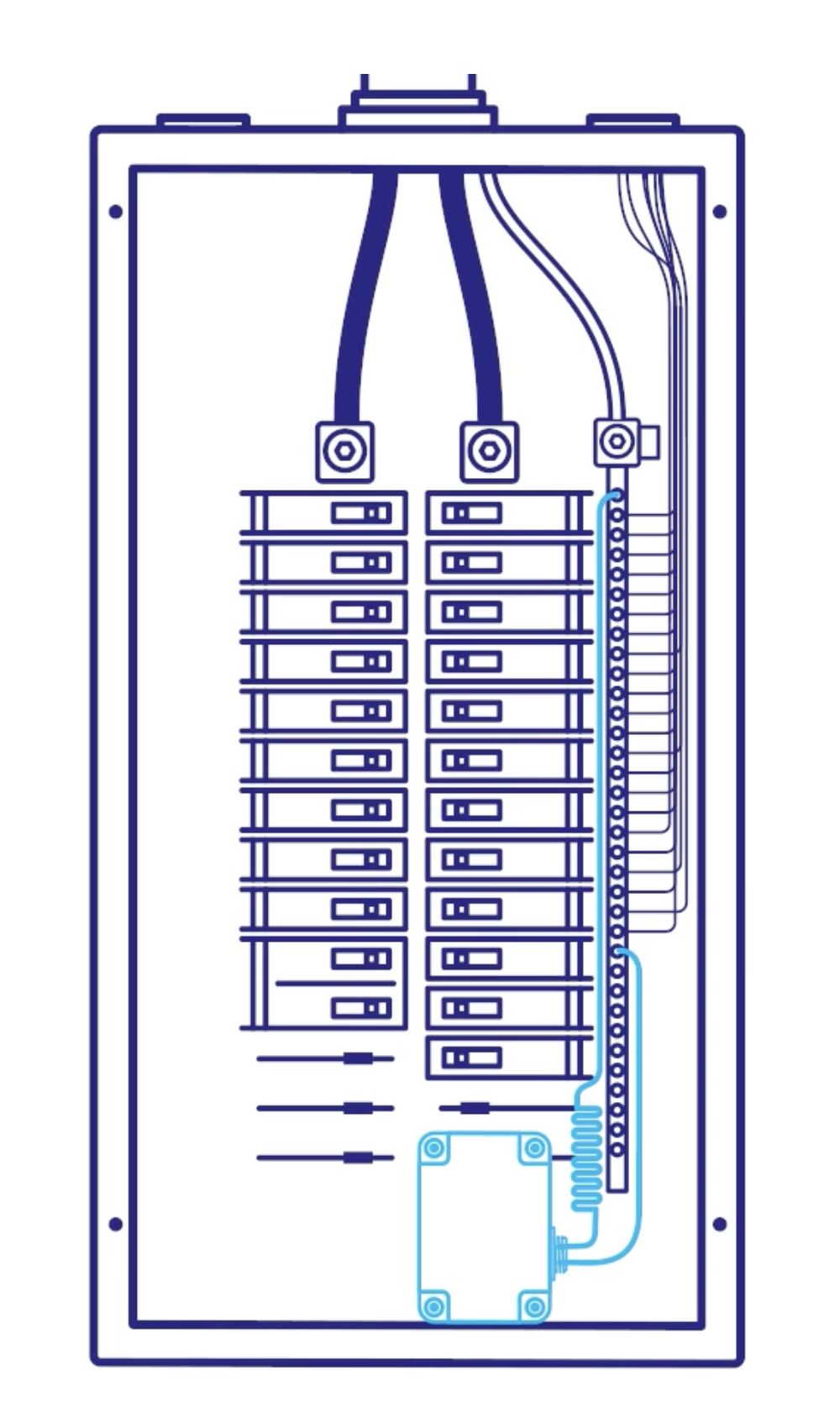
It’s a passive, inductive harmonic filter that installs at the electrical panel to the neutral bus, and works continuously — no software, no controls, no moving parts.
Made in the U.S.A., the patented filter device is UL®-listed and certified as a power-saving
product by the U.S. Department of Energy.
Reduces harmonic distortion
Lowers heat and electrical stress. It absorbs and mitigates harmful harmonic currents so less distortion circulates through the system.
Stabilizes electrical systems
Cleaner power = steadier voltage and current, which helps connected equipment operate closer to its design specifications.
Improves energy efficiency
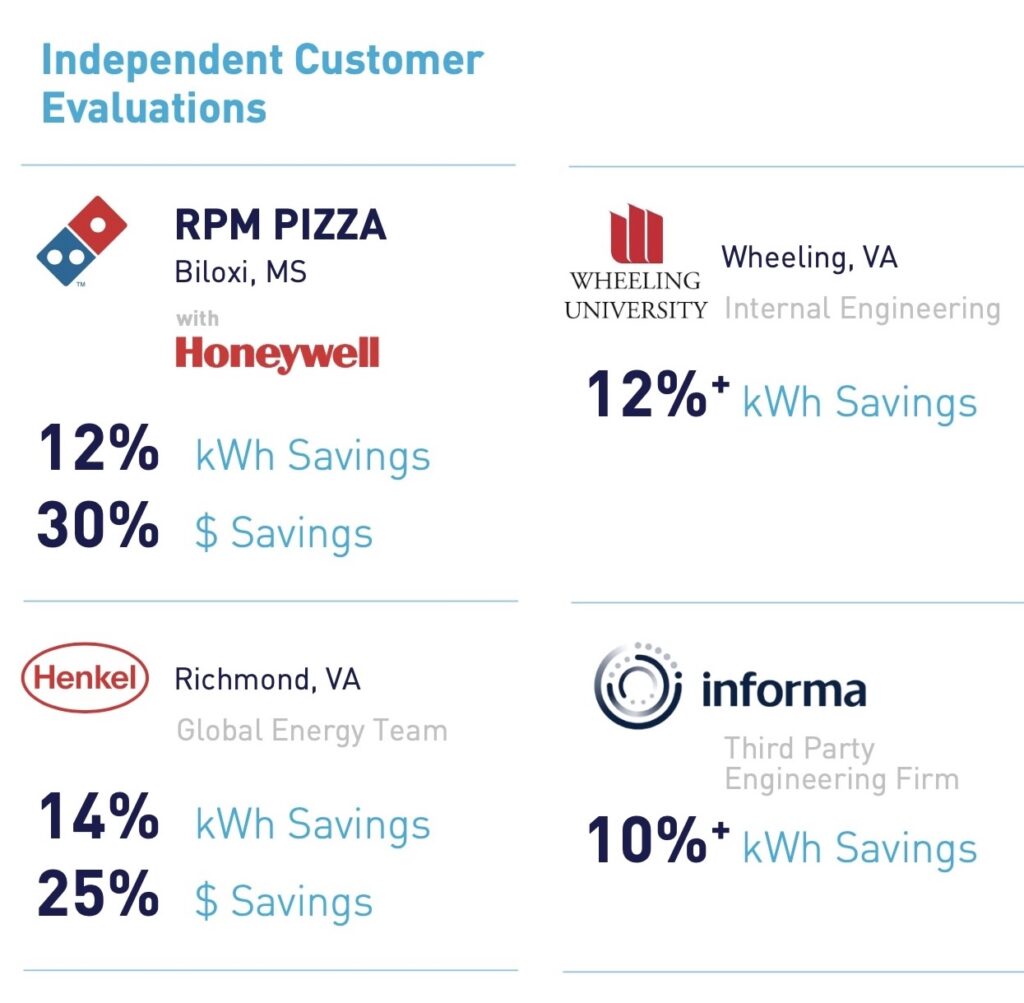
By reducing losses caused by harmonics, facilities typically see 8–12% savings, depending on load profile.
How is it installed?
To keep it simple, the filters are installed where they can have the most impact — the load (breaker) panels closest to users. Filters can be installed in a variety of configurations, and a wide range of special situations are easily accommodated. Often, each filter is installed inside the panel attached to the neutral bus bar.
This includes commercial or industrial applications, in 3-phase/4-wire facilities, with load panel volts of 480 or less. For installations using 3-phase/3-wire designs, talk to your representative for how to best install a solution.
Typical installation takes about 45 minutes per panel. Installation must be performed by a licensed and certified electrician, and is included in the proposal.
The Big Picture.
Harmonic Filters: Power Quality Optimization
- Reduces electrical harmonic distortion caused by non-linear loads such as VFDs, LED lighting, IT equipment, and HVAC controls.
- Improves electrical system efficiency by eliminating wasted energy that appears as heat and electrical noise.
- Helps facilities reduce electricity consumption with typical savings of 8–12% and guaranteed minimum savings of 5%.
- Protects sensitive electrical infrastructure including transformers, motors, power supplies, and electronic systems.
- Provides long-term operational value with 10-year warranty and an even longer life expectancy.
Problems Caused by Harmonics
- Higher electricity bills due to wasted energy that does not perform useful work.
- Excess heat generation within electrical systems and electronic devices.
- Premature equipment failure in motors, transformers, drives, and power supplies.
- Reduced equipment lifespan due to ongoing electrical stress and overheating.
- Increased carbon footprint because more electricity must be generated to supply wasted energy.
Energy Savings and Performance Impact
- Facilities typically achieve 8–12% reduction in electrical consumption by mitigating harmonic waste.
- The solution includes a guaranteed minimum 5% energy savings over the course of a year.
- Improves electrical efficiency while reducing stress on equipment and electrical infrastructure.
- Works in any utility market or state because it improves internal electrical efficiency.
- Supports sustainability and carbon reduction initiatives by lowering overall energy consumption.
Average Energy Savings by Industry
- Manufacturing: approximately 13% reduction in electrical consumption.
- Hotels and Multi-Dwelling Units: approximately 15% energy savings.
- Food Service Facilities: approximately 9% savings.
- Commercial Office Buildings: approximately 15% savings.
- Medical Facilities: approximately 12% savings.
- Educational Facilities: approximately 8% savings.
- Average savings across sectors: 11.6%.
Operational and Sustainability Benefits
- Reduces wasted energy and improves overall electrical system efficiency.
- Extends the life of critical infrastructure including motors, HVAC equipment, and power electronics.
- Helps facilities achieve sustainability and carbon reduction targets.
- Reduces maintenance events and unexpected equipment failures.
- Provides a simple value proposition: stop paying for unused electricity that becomes heat instead of useful work.
Immediate Returns
Get Your Custom, Detailed Proposal.
After you meet with our experts, we'll take the information you provide, and you'll receive a detailed proposal.
Ready to Save on Your Energy Bill?
With an array of solutions, our experts can design a savings system that caters to your needs.
Beyond the harmonics filter.
For installations that have additional needs, talk to us about these solutions.
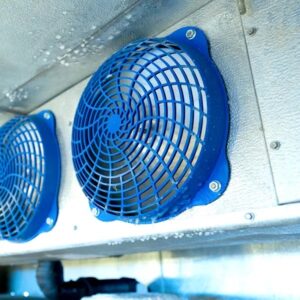
Refrigeration Motors
Up to 80% reduction in electrical consumption for evaporator fan motors in walk-in coolers and freezers. Legacy refrigeration systems run at full power regardless of demand. They draw excessive electricity, wasting energy, generating heat, increasing system strain, and increasing maintenance costs.
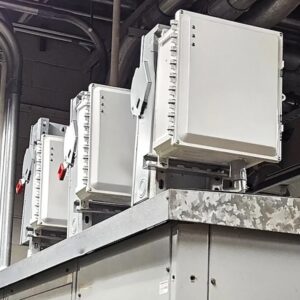
Power Conditioning
Advanced power conditioning and load optimization technology improves power quality, stabilizes voltage, reduces harmful harmonics, and lowers wasted electrical demand—helping facilities operate more efficiently while protecting critical infrastructure.
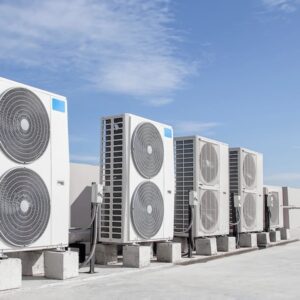
Efficient HVAC Blower Motors
Up to 45% reduction in overall rooftop unit energy consumption. 15% lower electrical draw versus OEM blower motors. Additional savings enabled by Variable Frequency Drives (VFDs) that automatically adjust motor speed to match building load. Reduced strain on HVAC compressors and extended equipment life.
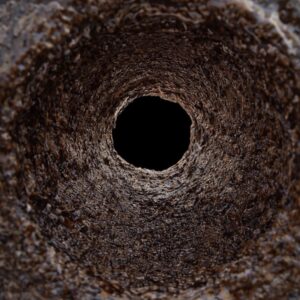
HVAC Smart Fluid
Restores HVAC systems to peak operating efficiency by reversing oil fouling inside refrigerant tubing. With a one-time injection, it clears existing buildup and prevents future fouling for the life of the system.
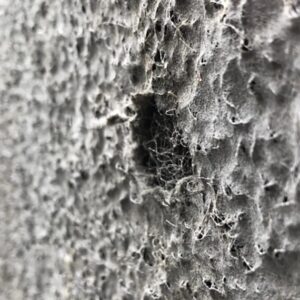
HVAC Filtration
HVAC filtration technology that keeps air-intake systems clean while maintaining consistent airflow and system performance. Designed for long-term durability, it minimizes maintenance, protects equipment, and supports efficient operation year after year.
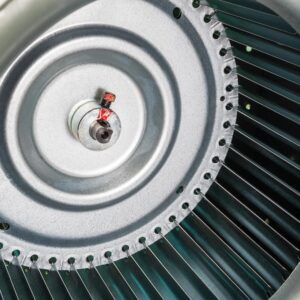
HVAC Smart Fans
Simply put, energy technology that optimizes HVAC fan operation to eliminate wasted latent energy and improve overall system efficiency. By intelligently extending fan run time, it helps facilities reduce unnecessary cycling and operate more smoothly.
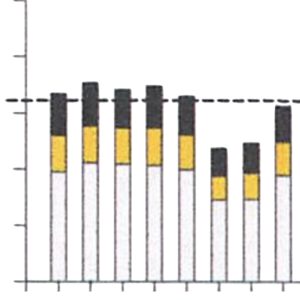
Peak Shaving Design
With an arsenal of peak shaving solutions, let’s find the right solution for your needs.
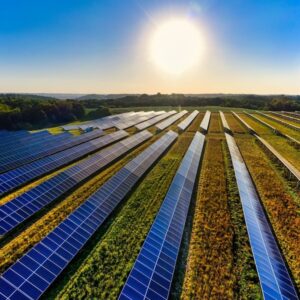
Solar
Solar offers the most predictable savings in energy. Whether rooftop, floating, ground, flexible or community, talk to our subject matter experts.
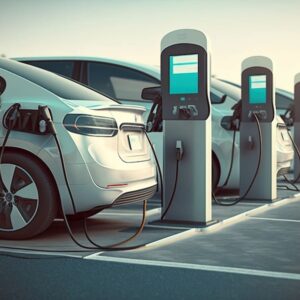
EV Charging
With EVs projected to reach 31 million on U.S. roads by 2030, EV charging infrastructure is becoming a must-have for businesses.
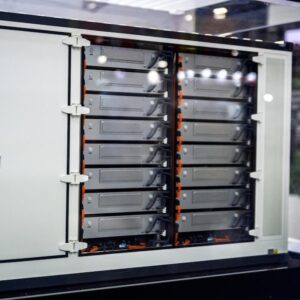
Peak Shaving Battery System
A peak shaving battery system discharges stored energy during high-usage periods to cut peak demand charges, helping facilities manage utility costs and improve budget predictability.
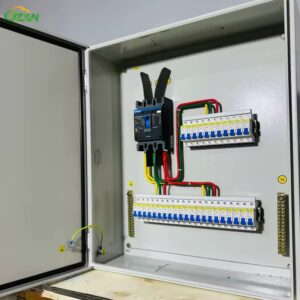
Phase Balancing
Phase balancing evenly distributes electrical loads across phases to improve stability, reduce overheating and wear, and support safer, more efficient operation of three-phase motors, transformers, and distribution equipment.
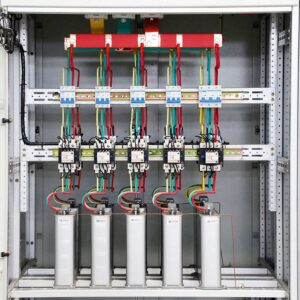
Power Factor Correction
Power factor correction reduces reactive power from inductive loads (motors, HVAC), improving efficiency, lowering utility penalties, freeing infrastructure capacity, and stabilizing voltage with fewer losses.

No Risk.
No Obligation.
Finding out more is simple, and at no cost. As your advocate, we only want you to secure the services that make sense — whether it's for something new, or replacing an existing solution.
You're in control. Let's talk!